Contributing to Entrepreneurs in Developing Countries
This post contains affiliate links. If you book accommodation, tours, or buy products through these links, I may earn a small commission at no extra cost to you. This helps support the site and keeps the content free.
Using 100% of the payments from my Instagram hashtags e-guide, plus a share of ad revenue, we loaned over £10,000 to micro-finance entrepreneurs in developing countries, which was the goal I set out to hit. (Verify this.) This was the heart of my Give Back initiative.
I couldn’t have done it without your support. It started with a £1,200 milestone back in 2019 and grew every year after that, as the blog grew.
That first £1,200 helped finance 663 entrepreneurs across 71 loans, alongside other lenders on the Lendwithcare platform, an initiative of poverty-fighting charity CARE International UK. I am no longer adding new money to the fund, but every time an entrepreneur repays, I re-lend it to someone new, so what is already in there keeps working. You can see the totals on my Give Back page.
What is Lendwithcare?
Lendwithcare.org (Care International UK) help entrepreneurs in developing countries work their way out of poverty with microfinancing.
The loans are aimed at low-income people who have limited or no access to formal financial intermediaries such as banks. They are usually self-employed microentrepreneurs often working from home just like us! However, they are doing so out of a necessity to survive rather than chasing a dream.
Typically, they operate small businesses such as grocery shops, market stalls, car repair, carpentry or other workshops, and in rural areas they tend to focus on food processing, agriculture and raising livestock and poultry. Around two-thirds of microfinance clients worldwide are women.
Lendwithcare and some of their microfinance institutions, such as MFI in Zimbabwe, focus on supporting women entrepreneurs to start or grow a small business who otherwise wouldn’t be given the opportunities to do so.
Doing this not only supports the immediate families of the entrepreneurs but it often creates jobs and boosts the economy within a community. If you would like to do the same on your own travels, here are 10 easy ways to support local communities when you travel.
The idea is, you’re not just giving someone a fish for them to get hungry tomorrow. You’re loaning them a fishing boat and an employee within a local market demanding fish.
Why not just keep the money?
It would be unjust and irresponsible for me as a blogger who advocates the lifestyle I have to not recognise and highlight the unequal opportunities present in entrepreneurship.
Sometimes inequality is simply determined by where we were born, the gender we were assigned, the passport we hold and the language we speak.
Travel bloggers, digital nomads, and entrepreneurs in developed countries often talk about “achieving your dreams” as an outcome of working harder than others. Or that by “stepping outside of your comfort zone”, you can achieve everything you want to do in life.
When I started this blog in 2014 to share my journey, I was subscribed to this way of thinking.
But I was wrong.
I’ve worked hard and my parents have never been in the position to provide additional financial help for my business ideas. But what was the worst case scenario if my business fails after quitting my job to travel the world? I would sheepishly move back home with my Mum or Dad until I found myself a new job. I would accept free roof over my head until things picked up again, something I have had to do from time to time.
Most people in developing countries and even developed countries simply don’t get dealt with low-risk opportunities as I have had.
The random dice roll of life assigned me within an artificial border favouring safety and a stable economy, I grew up speaking English with a British passport. I’ve had access to computers from a young age and while my parents haven’t always owned property, I have had a safe place to sleep and more importantly, somewhere to rely on any time I needed it.
I needed to give back in order to feel proud of what I’m doing. To put it bluntly; I confidently tell my readers to follow their dreams, but not everyone has that privilege. That realisation is a big part of why I started a travel blog in the first place.
Who have we helped?
Enough about me, let’s talk about who really matters: the entrepreneurs benefitting from these contributions. By that first milestone we had already made 71 loans.
Some entrepreneurs come alone, some come in groups. Here are a few of the early entrepreneurs your support helped.
With the amazing community on Lendwithcare, almost all entrepreneurs are microfinanced collectively. Meaning that quite often each member participating in a loan only contributes £15 each to crowdfund the total with a 0% interest of course!
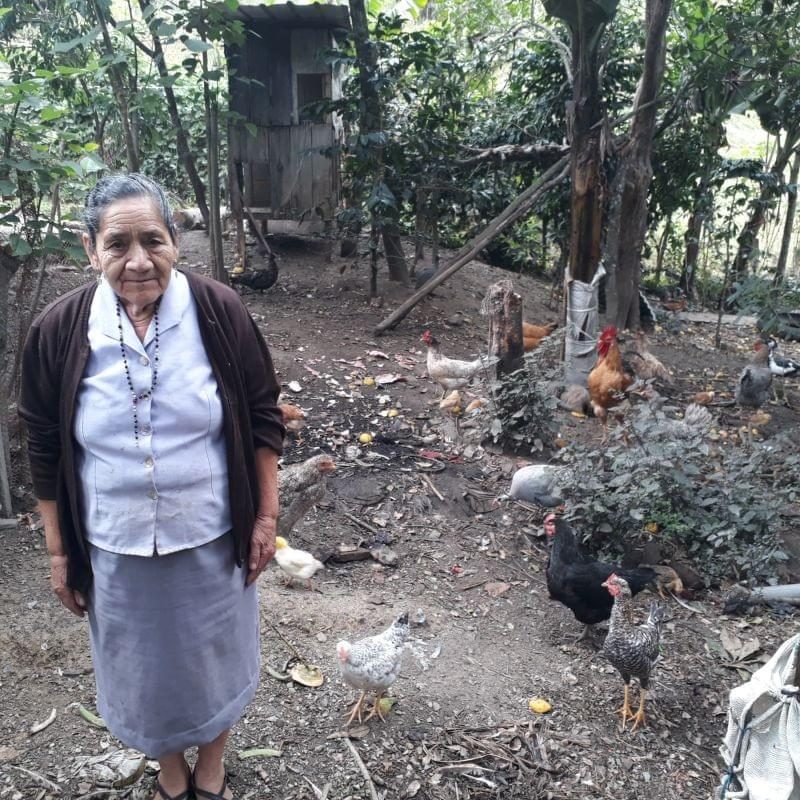
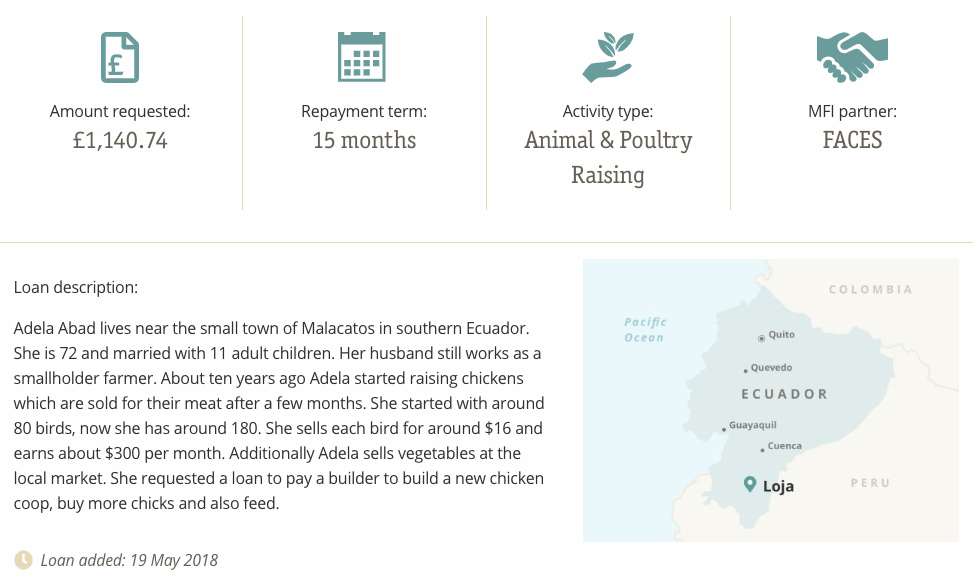
Adela Abad from Ecuador
Amount requested: £1,140.74
Repayment term: 15 months
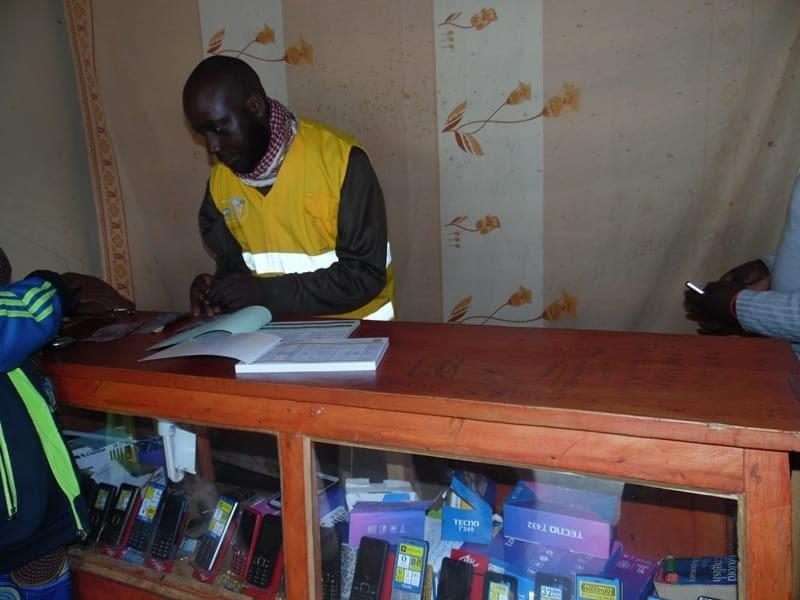
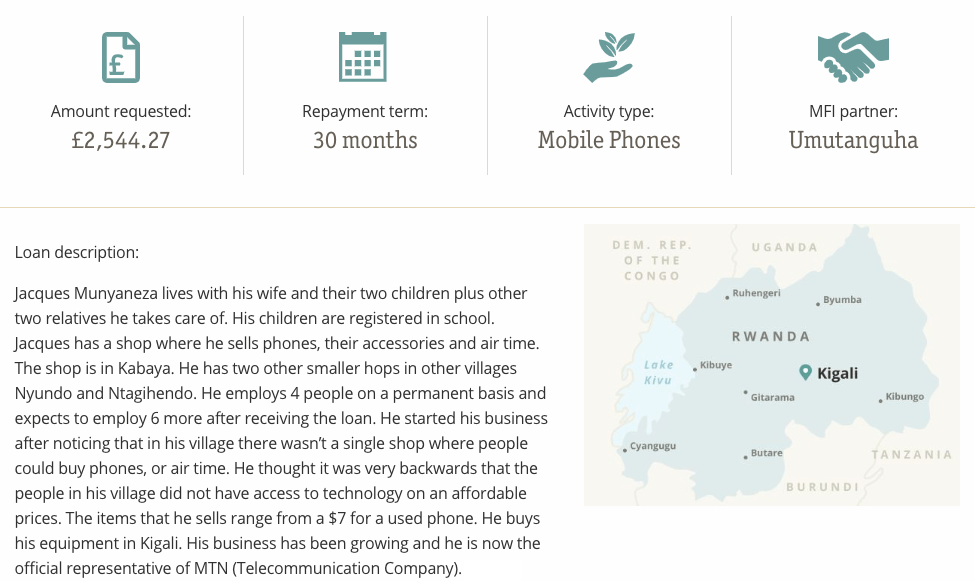
Jacques Munyaneza from Rwanda
Amount requested: £2,544.27
Repayment term: 30 months
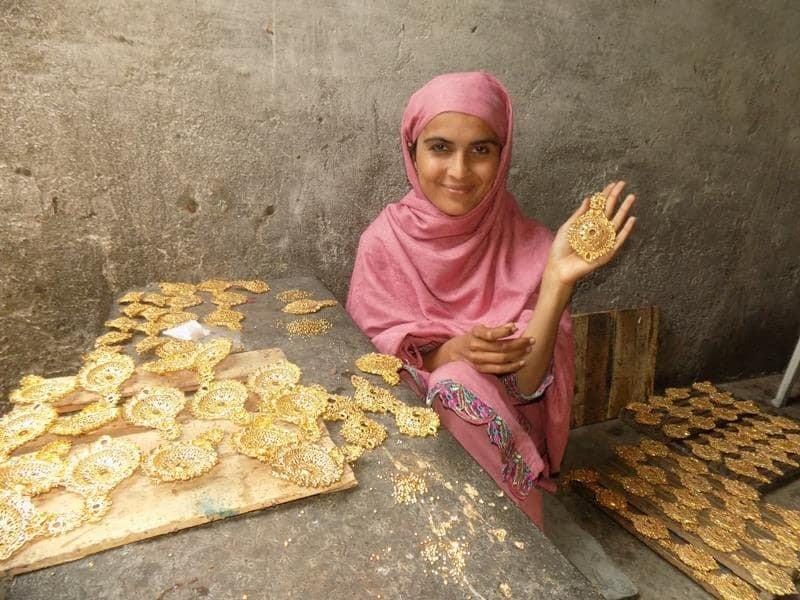
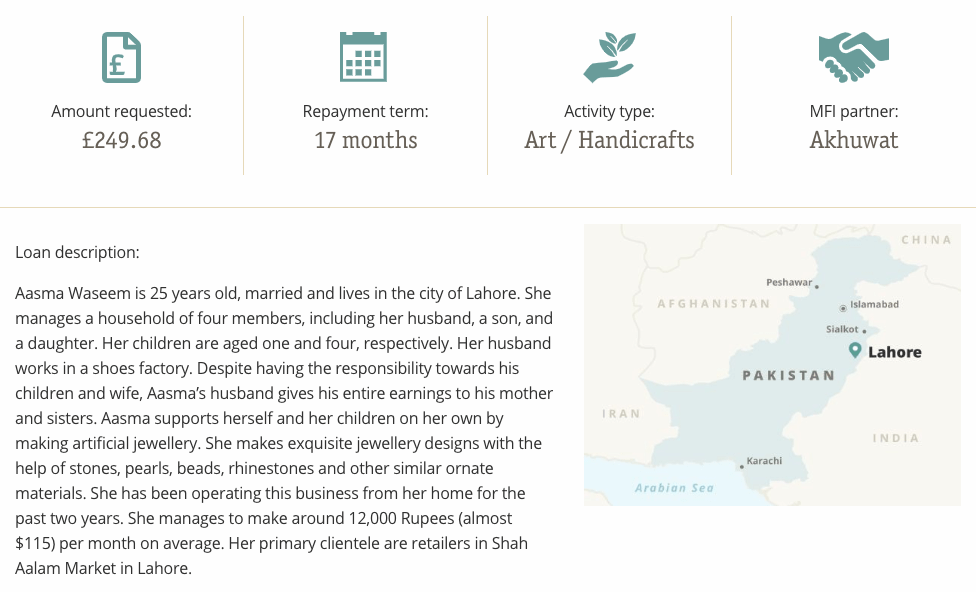
Aasma Waseem from Pakistan
Amount requested: £249.68
Repayment term: 17 months
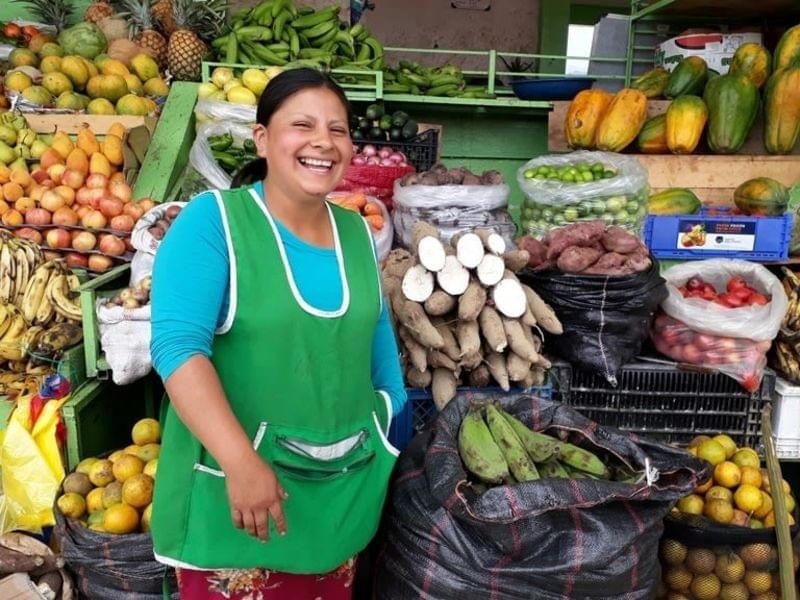
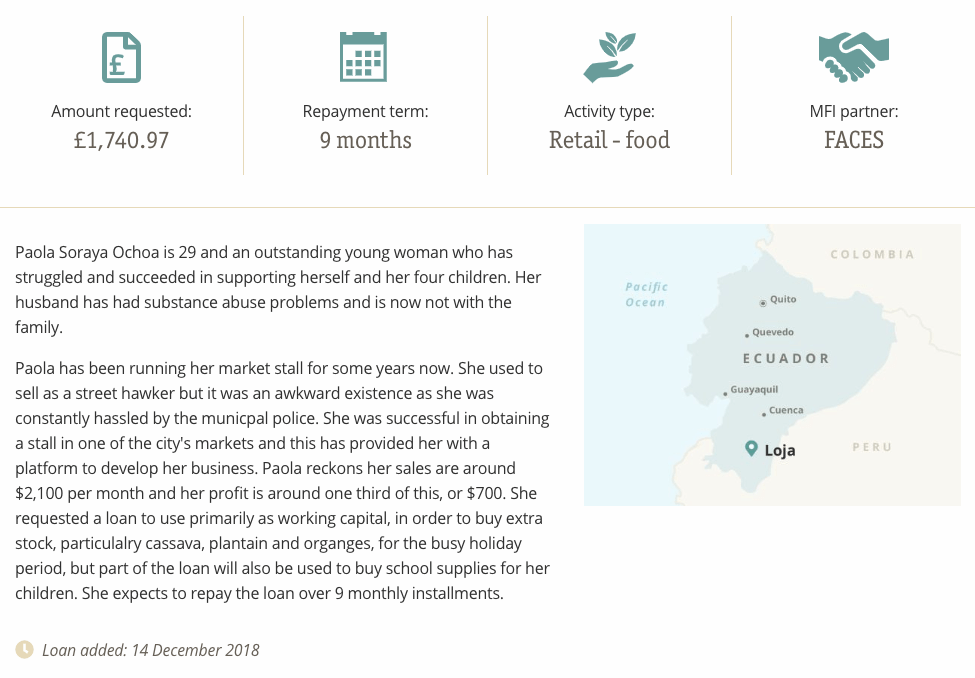
Paola Soraya Ochoa from Ecuador
Amount requested: £1,740.97
Repayment term: 9 months
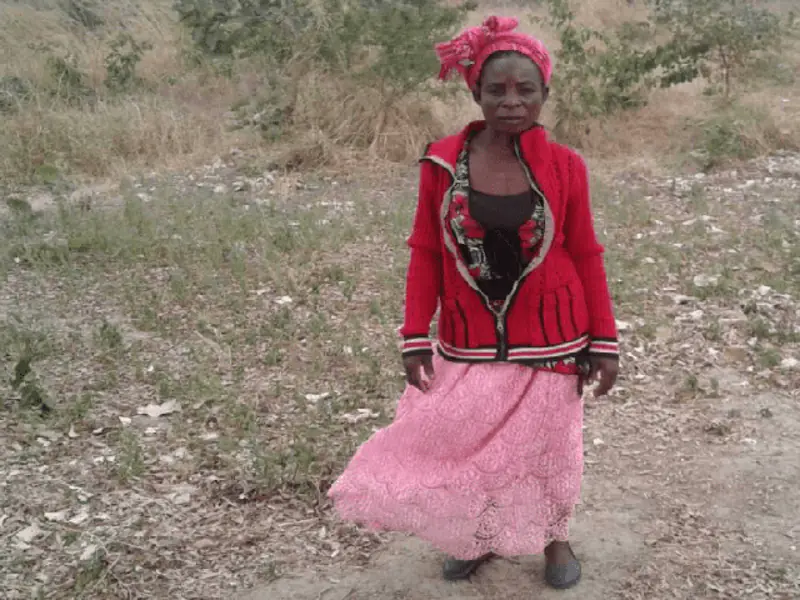
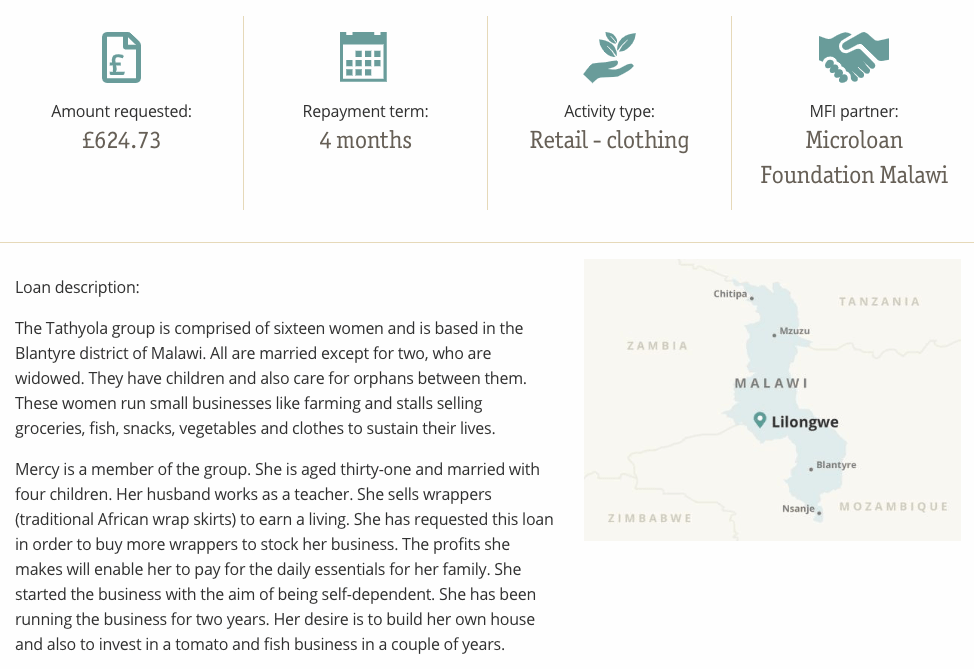
Tathyola Group from Malawi
Amount requested: £624.73
Repayment term: 4 months